
Cosmetic Bonding in Venice, FL
Refine chips, gaps and uneven edges with natural-looking bonding.
Dental bonding uses a tooth-colored resin that bonds directly to the structure being restored. Dr. Kevin Krause and his associates can use it to create natural-looking modifications for cracks, chips, gaps, discoloration and uneven tooth shape.
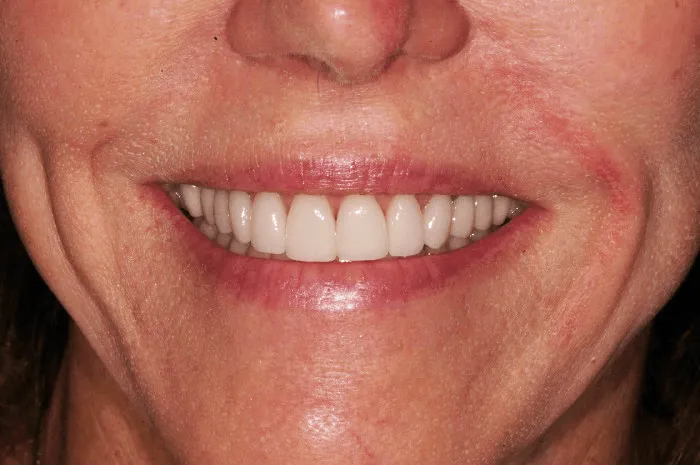
What Is Cosmetic Bonding?
Tooth-colored resin shaped directly onto the smile
Dental bonding material adheres to the tooth structure being restored. The resin can be applied and sculpted to rebuild small areas, refine proportions or visually soften an imperfection.
Because bonding resin is available in many shades, the material can be selected to coordinate with surrounding teeth. The goal is a modification that looks balanced and natural rather than drawing attention to the restoration.
- Repair small chips and cracks with tooth-colored material.
- Close or visually reduce selected spaces between teeth.
- Refine tooth color, contour, length or edge symmetry.
Cosmetic Bonding Options
The right use depends on tooth health, bite and the size of the change
Bonding works best for selected cosmetic and minor restorative changes. The team first confirms that the tooth is healthy enough and that resin is appropriate for the location and bite forces involved.

Chipped Teeth
Tooth-colored resin can rebuild a small missing area and smooth the transition into the natural tooth.
Small Cracks
Selected superficial cracks or irregularities may be masked or repaired after the tooth is evaluated for deeper structural damage.
Gaps
Bonding can add width to adjacent teeth to reduce a minor space without moving the teeth orthodontically.
Uneven Shape
Resin can refine edges, proportions and symmetry when a tooth looks short, narrow, worn or irregular.
Color Refinement
Shade-matched material may cover a localized area of discoloration that does not respond predictably to whitening.
Alternative Planning
When a larger or more durable change is needed, bonding can be compared with porcelain veneers or crowns.
Explore veneersYour Cosmetic Bonding Visit
A precise process of matching, shaping and polishing
Bonding is planned around the tooth, surrounding smile and the change you want to make. Shade selection and careful sculpting help the finished result blend naturally.
Smile evaluation
Examine the tooth, bite and surrounding smile to confirm whether bonding is an appropriate option.
Shade selection
Choose resin from a range of shades to coordinate with neighboring enamel.
Apply and sculpt
Prepare the surface, place the bonding material and shape it directly on the tooth.
Cure and polish
Harden the resin, refine the contours, check the bite and polish the final surface.
Good To Know
Cosmetic bonding questions patients often ask
What concerns can cosmetic bonding improve?
Bonding may improve small chips, cracks, gaps, localized discoloration, uneven edges and selected shape or proportion concerns.
Will the bonding match my teeth?
The resin is available in multiple shades. The dentist selects and layers material to coordinate with the surrounding enamel.
Can bonding stain or chip?
Composite resin can stain or chip over time, especially with strong pigments or habits such as biting hard objects. It can often be polished or repaired after evaluation.
Is bonding right for every cosmetic concern?
No. Larger changes, heavy bite forces or significantly weakened teeth may be better treated with veneers, crowns or another option.