
Traditional Dentures in Venice, FL
Restore a complete upper or lower smile with custom-fitted dentures.
Traditional dentures replace a full upper or lower arch with a removable prosthesis designed around your jaw, facial proportions and smile. Dr. Kevin Krause and his associates focus on fit, finish and a natural appearance.
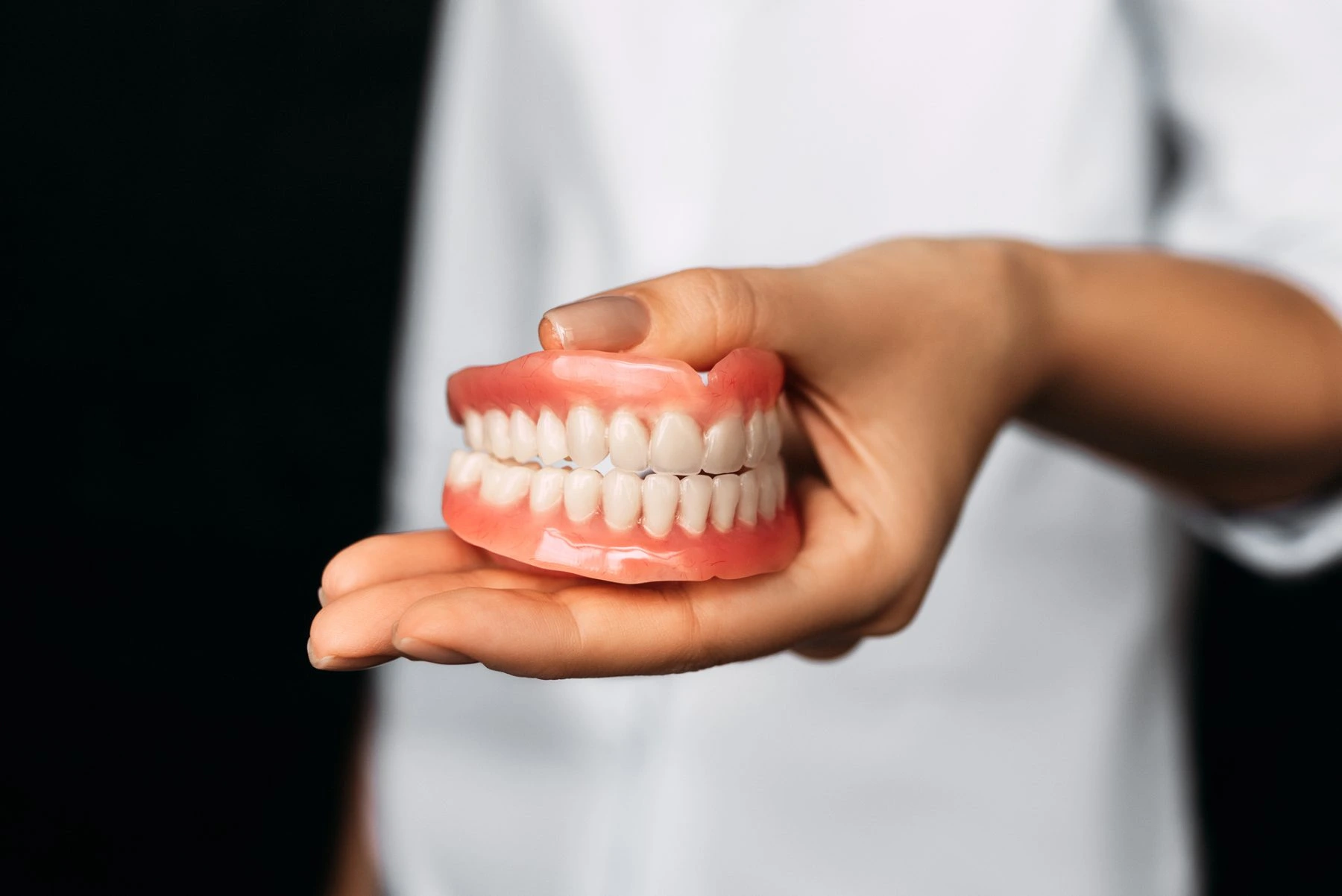
What Are Traditional Dentures?
Removable replacement teeth designed for an upper or lower arch
Traditional dentures replace all teeth in an upper or lower arch and restore a natural-looking smile. They rest on the gums and are removed for cleaning and appropriate overnight care.
The original practice information emphasizes top-quality materials, longevity, fit and finish. Each denture is custom-fitted to the jaw with the goal of supporting comfort, appearance and a more confident daily routine.
- Replace a complete arch of missing or failing teeth.
- Restore visible tooth shape, lip support and smile proportions.
- Create a removable option that can be adjusted as tissues change.
Denture Planning
Jaw anatomy, tissue health and everyday goals guide the design
Traditional dentures require healthy supporting tissues and realistic expectations about retention and adaptation. The team evaluates the jaws, gums, remaining teeth and whether a traditional or implant-supported option better fits your needs.

Upper Dentures
A full upper denture replaces the upper arch and uses broad contact with the palate and gums for support and retention.
Lower Dentures
A lower denture is shaped around the tongue and jaw and relies on tissue fit and muscle coordination for stability.
Natural Appearance
Tooth shape, shade, arrangement and gum color are selected to complement facial features and smile preferences.
Custom Fit
Detailed records and fitting stages help adapt the denture base to the individual contours of the jaw and tissues.
Adjustments
Follow-up visits address pressure spots, bite concerns and fit changes as the mouth adapts after delivery.
Implant Comparison
Traditional dentures can be compared with snap-in or implant-supported options when increased stability is a priority.
Explore implant supportYour Traditional Denture Process
From evaluation and records to delivery and adjustment
Denture treatment begins with a detailed evaluation and discussion of comfort, appearance and function. Several records and fitting stages help shape a prosthesis for your jaw and smile.
Evaluation and planning
Review oral health, remaining teeth, jaw anatomy and the sequence needed for tooth replacement.
Impressions and records
Capture the shape of the supporting tissues, bite relationship and facial details needed for design.
Smile try-in
Evaluate tooth arrangement, appearance and bite before the final denture is completed when the treatment sequence allows.
Delivery and adjustments
Deliver the denture, review insertion and cleaning, and make adjustments as the mouth adapts.
Good To Know
Traditional denture questions patients often ask
How long does it take to get used to dentures?
Adaptation varies. Speaking and chewing may feel different at first, and follow-up adjustments can address pressure areas as the tissues settle.
Will traditional dentures stay in place?
Fit depends on jaw anatomy, saliva, muscle control and tissue changes. Some patients use adhesive, while others may consider implant support for greater stability.
Can I eat normally with dentures?
Eating generally improves with practice, but traditional dentures do not provide the same biting force as natural teeth or fixed implant restorations. Start with manageable foods and follow guidance.
How should dentures be cleaned?
Remove and clean dentures daily with appropriate products, clean the mouth and gums, and store the prosthesis as instructed when it is not being worn.