
Periodontal Therapy in Venice, FL
Treat gum disease and protect the foundation of your smile.
Gum disease is treated by carefully removing bacteria and deposits that form in pockets around the teeth. The Dental Implants Today team provides detail-oriented periodontal care to support healthier gums, protect bone and preserve your smile.
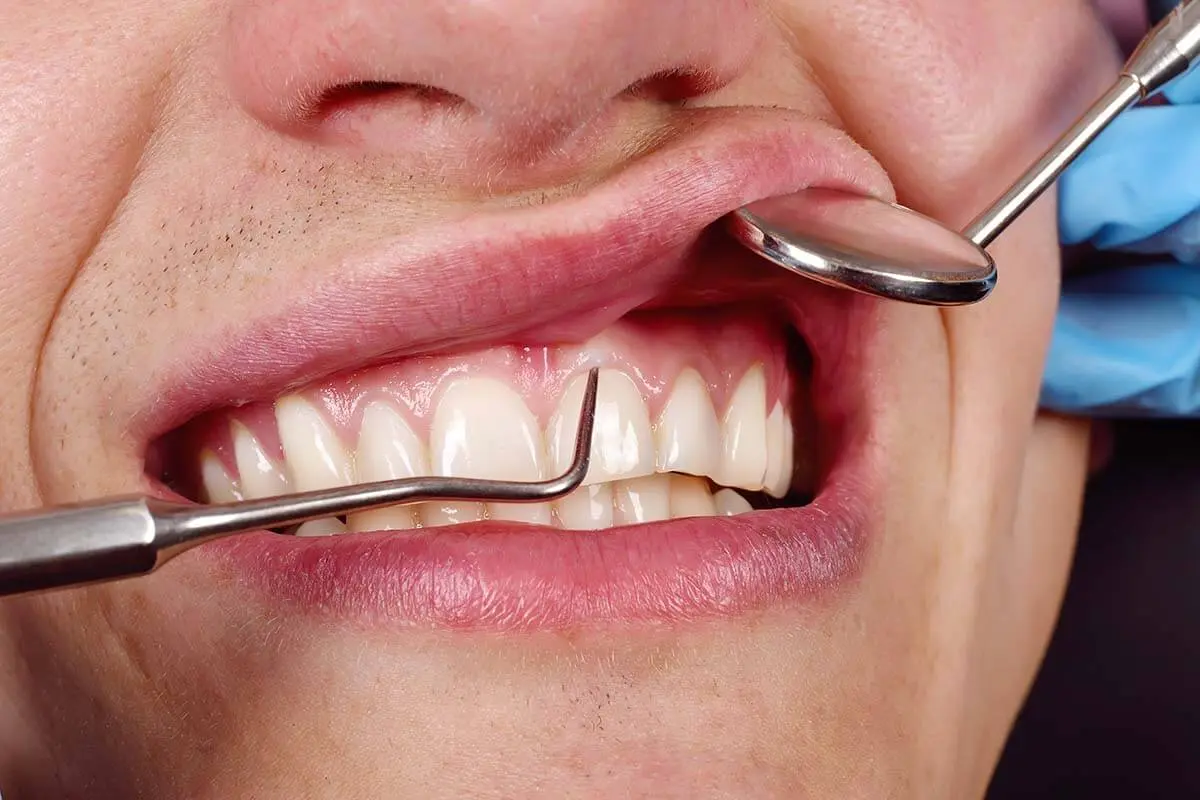
What Is Periodontal Therapy?
Removing the bacteria that collect around and beneath the gums
Gum disease is treated by carefully removing the bacteria and substances that form in pockets around the teeth. This material must be removed at a detailed level, and the dental team has advanced training to address these deposits effectively.
Because gum disease often develops quietly, many patients do not realize it has progressed. Earlier evaluation and treatment can help limit additional inflammation, bone loss and tooth instability.
- Reduce harmful bacteria and deposits beneath the gumline.
- Create smoother root surfaces that are easier for gum tissue to heal against.
- Support long-term gum health with personalized maintenance and home care.
Periodontal Care
Treatment built around the stage and needs of your gums
Periodontal therapy commonly combines detailed assessment, deep cleaning and recurring maintenance. The exact plan depends on pocket depths, inflammation, bone support and the way your gums respond to treatment.

Warning Signs
Red or swollen gums, bleeding, persistent bad breath, recession and teeth that feel loose or shift position can signal periodontal disease.
Periodontal Assessment
Pocket measurements, a clinical examination and appropriate imaging help determine inflammation, attachment levels and supporting bone health.
Scaling
Scaling carefully removes plaque and tartar from below the gumline, targeting bacteria within periodontal pockets around each tooth.
Root Planing
Root planing smooths tooth-root surfaces so bacteria have more difficulty reattaching and gum tissue has a cleaner surface for healing.
Periodontal Maintenance
Follow-up visits monitor healing, remove recurring deposits and help control a condition that generally requires ongoing management.
Implant Preparation
Addressing active gum disease helps protect the bone and soft tissue needed to support predictable restorative and implant care.
Learn moreYour Periodontal Visit
What to expect from evaluation through maintenance
A periodontal appointment begins with a thorough examination and measurements around each tooth. Depending on the findings, treatment may take one or more visits, followed by reassessment and a maintenance schedule.
Periodontal examination
Review symptoms and health history, then measure periodontal pocket depths around the teeth.
Detailed treatment planning
Use the examination and appropriate imaging to understand disease severity and bone support.
Scaling and root planing
Remove plaque and tartar below the gumline and smooth root surfaces, with local anesthesia when appropriate for comfort.
Follow-up and maintenance
Monitor healing, reinforce home care and schedule periodontal maintenance to help prevent recurrence.
Good To Know
Periodontal therapy questions patients often ask
What is scaling and root planing?
Scaling removes plaque and tartar from above and below the gumline. Root planing smooths root surfaces, making it harder for bacteria to reattach and supporting gum healing.
How is periodontal maintenance different from a regular cleaning?
Periodontal maintenance focuses on areas affected by gum disease and is usually scheduled more frequently according to pocket depths, inflammation and response to treatment.
Why does gum health matter before dental implants?
Active gum disease can compromise the bone and tissue needed to support an implant. Evaluation and treatment help create a healthier foundation for implant-based tooth replacement.
Will periodontal therapy require more than one visit?
Often, yes. Treatment may involve multiple scaling and root planing sessions, followed by reassessment and maintenance visits to monitor healing and reduce recurrence.